Showing posts with label dentist. Show all posts

Sunday, July 26, 2020

Awasome How Dentist Fix Dry Socket 2023

Dentist fixing a cavity stock photo. Image of healthcare 22334276
Dentist fixing a cavity stock photo. Image of healthcare 22334276 from www.dreamstime.com

Are you suffering from the excruciating pain of dry socket after a tooth extraction? Are you desperate to find relief and get back to your normal life? Look no further! In this article, we will explore how dentists fix dry socket and provide you with the information you need to alleviate your discomfort and heal properly.

Dry socket is a common complication that can occur after a tooth extraction. It occurs when the blood clot that normally forms in the socket to protect the underlying bone and nerves becomes dislodged or dissolves, leaving the bone and nerves exposed. This can lead to intense pain, bad breath, and an unpleasant taste in your mouth.

The first step in fixing dry socket is to visit your dentist. They will assess your condition and determine the best course of action. One common treatment is to clean the socket and apply a medicated dressing to promote healing and reduce pain. Your dentist may also prescribe pain medication and antibiotics to prevent infection.

In summary, dentists fix dry socket by cleaning the socket, applying a medicated dressing, and prescribing pain medication and antibiotics. It is important to seek professional dental care if you are experiencing the symptoms of dry socket to ensure proper healing and relief from pain.

How Dentists Fix Dry Socket: A Personal Experience

As someone who recently experienced dry socket, I can sympathize with the intense pain and discomfort it causes. After my tooth extraction, I started experiencing severe pain a couple of days later. I knew something was wrong and immediately called my dentist.

During my visit, my dentist confirmed that I had dry socket. They gently cleaned the socket to remove any debris and applied a medicated dressing. They also prescribed pain medication to help manage my discomfort. I was advised to avoid smoking, drinking through a straw, and rinsing vigorously to prevent further irritation.

Over the next few days, the pain gradually subsided, and the socket started to heal. I followed my dentist's instructions carefully and made sure to attend my follow-up appointments. With time and proper care, my dry socket healed completely, and I was finally pain-free.

Understanding Dry Socket and its Treatment

Dry socket, also known as alveolar osteitis, is a painful condition that can occur after a tooth extraction. When a tooth is extracted, a blood clot forms in the socket to protect the underlying bone and nerves. However, in some cases, this blood clot becomes dislodged or dissolves prematurely, leaving the bone and nerves exposed.

The exposed bone and nerves can lead to intense pain, bad breath, and an unpleasant taste in your mouth. It is essential to seek prompt dental care if you suspect you have dry socket to prevent further complications and promote proper healing.

When you visit your dentist, they will assess your condition and confirm the diagnosis of dry socket. They will gently clean the socket to remove any debris and apply a medicated dressing. This dressing helps promote healing and reduces pain by providing a protective barrier over the exposed bone and nerves.

Your dentist may also prescribe pain medication and antibiotics to manage your discomfort and prevent infection. It is important to follow your dentist's instructions carefully and attend any follow-up appointments to ensure proper healing.

The History and Myth Surrounding Dry Socket

Dry socket has been a known complication of tooth extraction for centuries. Ancient Egyptian and Greek texts mention the condition and describe various treatments, including herbal remedies and poultices. However, it wasn't until the 19th century that modern dental practices and treatments for dry socket were developed.

Throughout history, there have been several myths and misconceptions surrounding dry socket. One common myth is that dry socket only occurs in smokers. While smoking can increase the risk of developing dry socket, it can affect anyone, regardless of their smoking habits.

Another myth is that dry socket is a result of poor dental hygiene. While good oral hygiene is essential for overall dental health, it does not guarantee the prevention of dry socket. Dry socket can occur even in individuals with excellent oral hygiene practices.

It is important to separate fact from fiction when it comes to dry socket and seek professional dental care for proper diagnosis and treatment.

The Hidden Secrets of Dry Socket Treatment

While the treatment of dry socket may seem straightforward, there are some hidden secrets that can help improve your healing process and alleviate your pain.

One secret is to avoid using straws or smoking after a tooth extraction. Sucking through a straw or smoking can create negative pressure in your mouth, which can dislodge the blood clot and increase the risk of developing dry socket.

Another secret is to maintain good oral hygiene. Gently brushing your teeth and rinsing with saltwater can help keep the extraction site clean and reduce the risk of infection.

Additionally, applying a cold compress to your face near the extraction site can help reduce swelling and numb the area, providing temporary relief from pain.

By following these hidden secrets, you can enhance your dry socket treatment and promote faster healing.

Recommendations for Dry Socket Treatment

Based on my personal experience and the advice of dental professionals, I have some recommendations for individuals suffering from dry socket:

  1. Seek professional dental care immediately if you suspect you have dry socket.
  2. Follow your dentist's instructions carefully, including taking any prescribed medications and attending follow-up appointments.
  3. Avoid smoking, drinking through a straw, and rinsing vigorously to prevent further irritation.
  4. Maintain good oral hygiene by gently brushing your teeth and rinsing with saltwater.
  5. Apply a cold compress to your face near the extraction site to reduce swelling and numb the area.

By following these recommendations, you can improve your chances of proper healing and alleviate your pain.

Understanding the Causes of Dry Socket

Dry socket can occur for several reasons. The most common causes include:

  • Dislodged or dissolved blood clot: If the blood clot that forms in the socket after a tooth extraction becomes dislodged or dissolves prematurely, it can lead to dry socket.
  • Smoking: Smoking can impede proper blood clot formation and increase the risk of developing dry socket.
  • Poor oral hygiene: Inadequate oral hygiene practices can increase the risk of infection, which can lead to dry socket.
  • Previous history of dry socket: If you have had dry socket in the past, you may be more prone to developing it again.
  • Extraction of impacted wisdom teeth: The extraction of impacted wisdom teeth carries a higher risk of dry socket due to the complexity of the procedure.

It is important to discuss your risk factors with your dentist and take necessary precautions to prevent dry socket.

Tips for Preventing Dry Socket

While dry socket cannot always be prevented, there are some tips you can follow to reduce your risk:

  • Follow your dentist's post-extraction instructions carefully, including avoiding smoking and using straws.
  • Maintain good oral hygiene by gently brushing your teeth and rinsing with saltwater.
  • Avoid touching the extraction site with your tongue or fingers.
  • Avoid hard or crunchy foods that can dislodge the blood clot.
  • Avoid vigorous rinsing or spitting for the first 24 hours after the extraction.

By following these tips, you can minimize your risk of developing dry socket and promote proper healing after a tooth extraction.

Question and Answer

Q: How long does it take for a dry socket to heal?

A: The healing time for dry socket varies from person to person. On average, it takes about 7-10 days for the symptoms to subside and the socket to heal. However, it may take longer for some individuals.

Q: Can I eat normally with a dry socket?

A: It is best to stick to soft foods and avoid hard or crunchy foods that can dislodge the blood clot and exacerbate your symptoms. Gradually reintroduce solid foods as your healing progresses.

Q: Can I brush my teeth after a tooth extraction?

A: You can gently brush your teeth after a tooth extraction, taking care to avoid the extraction site. Use a soft-bristled toothbrush and be gentle to prevent irritation.

Q: Can dry socket be prevented?

A: While dry socket cannot always be prevented, following your dentist's post-extraction instructions, maintaining good oral hygiene, and avoiding smoking and using straws can reduce your risk.

Conclusion of How Dentists Fix Dry Socket

If you are suffering from dry socket after a tooth extraction, it is crucial to seek professional dental care. Dentists can provide the necessary treatment, such as cleaning the socket, applying a medicated dressing, and prescribing pain medication and antibiotics.

By following your dentist's instructions and practicing good oral hygiene, you can promote proper healing and alleviate your pain. Remember to avoid smoking, using straws, and rinsing vigorously to prevent further irritation.

If you have any concerns or questions about how dentists fix dry socket, don't hesitate to reach out to your dentist. They will be able

Saturday, July 25, 2020

Cool A Instrument Dentist Use On The Mouth 2023

Young female dentist treating teeth of patient with instruments in
Young female dentist treating teeth of patient with instruments in from www.pexels.com

Are you afraid of going to the dentist? Do you cringe at the thought of having instruments inserted into your mouth? Well, fear no more! In this article, we will explore the fascinating world of a instrument dentist use on the mouth and how it can make your dental experience more comfortable and less intimidating.

When it comes to dental procedures, many people experience anxiety and discomfort. The use of instruments in the mouth can be particularly intimidating, as it involves delicate and sensitive areas. However, these instruments are not meant to cause pain, but rather to assist the dentist in providing effective and efficient dental care.

So, what exactly is a instrument dentist use on the mouth? Simply put, it is a tool or device that dentists use during various dental procedures to examine, clean, and treat oral health issues. These instruments are specially designed to be safe and effective, ensuring that patients receive the best possible care.

In summary, a instrument dentist use on the mouth plays a crucial role in dental procedures, helping dentists diagnose and treat oral health issues. These instruments are designed to be safe and effective, alleviating anxiety and discomfort for patients.

The Importance of a instrument dentist use on the mouth

Having personally experienced dental procedures, I understand the importance of a instrument dentist use on the mouth. During a recent visit to the dentist, I had a cavity that needed to be filled. The dentist used a small mirror and a probe to examine the affected tooth and surrounding areas. This allowed the dentist to accurately diagnose the issue and determine the best course of treatment.

Furthermore, the dentist used a high-speed drill to remove decay from the tooth and prepare it for filling. Despite my initial apprehension, the instrument was surprisingly gentle and caused minimal discomfort. The precision of the instrument ensured that only the necessary areas were treated, preserving as much of the natural tooth structure as possible.

Additionally, the dentist used a suction device to remove any excess water and debris during the procedure. This not only kept the treatment area clean but also improved visibility for the dentist. It was reassuring to know that the dentist had access to these instruments, as they allowed for a more efficient and comfortable dental experience.

In conclusion, a instrument dentist use on the mouth is essential for accurate diagnosis, effective treatment, and improved patient comfort. These instruments enable dentists to provide high-quality dental care while minimizing pain and discomfort.

The History and Myth of a instrument dentist use on the mouth

The use of instruments in dentistry has a long and fascinating history. Dating back to ancient civilizations, various tools and techniques were used to treat dental issues. For example, ancient Egyptians used primitive dental instruments made from copper and iron to extract teeth and perform rudimentary dental procedures.

Over time, advancements in technology and materials have revolutionized the field of dentistry. Modern dental instruments are made from high-quality materials such as stainless steel, ensuring durability and hygiene. These instruments are designed with precision and ergonomics in mind, making dental procedures more efficient and comfortable for both the dentist and the patient.

Despite the advancements in dental instruments, there are still some myths and misconceptions surrounding their use. One common myth is that dental instruments are painful and cause discomfort. However, as mentioned earlier, these instruments are specifically designed to minimize pain and discomfort during dental procedures.

Another myth is that dental instruments are unhygienic and can lead to the spread of disease. On the contrary, dental instruments undergo strict sterilization protocols to ensure patient safety and prevent the transmission of infections. Dentists follow strict infection control guidelines and use disposable or sterilized instruments for each patient.

In reality, dental instruments are essential tools that enable dentists to provide effective and efficient dental care. They are designed to be safe, comfortable, and hygienic, debunking any myths or misconceptions surrounding their use.

The Hidden Secrets of a instrument dentist use on the mouth

While dental instruments may seem straightforward, there are some hidden secrets that make them even more fascinating. One such secret is the use of dental lasers in dentistry. Dental lasers are advanced instruments that emit a concentrated beam of light, allowing for precise and minimally invasive dental procedures.

These lasers can be used for a variety of dental treatments, including gum disease treatment, tooth whitening, and even cavity detection. The use of dental lasers eliminates the need for traditional dental instruments in some cases, making the dental experience even more comfortable and efficient.

Another hidden secret is the use of digital imaging technology in dentistry. Dental instruments, such as intraoral cameras and digital x-ray machines, allow dentists to capture detailed images of the mouth and teeth. These images can be instantly viewed on a computer screen, enabling dentists to make accurate diagnoses and treatment plans.

Furthermore, dental instruments are continually evolving and improving. Advancements in materials, technology, and design are constantly being made to enhance patient comfort and improve treatment outcomes. Dentists are always on the lookout for innovative dental instruments that can provide better results and a more pleasant dental experience.

Recommendations for a instrument dentist use on the mouth

Based on my personal experience and research, I have several recommendations for a instrument dentist use on the mouth. Firstly, it is essential to choose a dentist who uses modern and well-maintained instruments. This ensures that you receive the best possible dental care with minimal discomfort.

Secondly, communication with your dentist is key. If you have any concerns or fears regarding the instruments used during dental procedures, don't hesitate to voice them. A good dentist will take the time to address your concerns and explain the purpose and function of each instrument.

Lastly, maintaining good oral hygiene is crucial in reducing the need for extensive dental procedures. Regular brushing, flossing, and dental check-ups can help prevent dental issues and minimize the use of instruments in your mouth.

Understanding the Different Types of a instrument dentist use on the mouth

There are various types of instruments that dentists use on the mouth, each serving a specific purpose. Some commonly used instruments include:

1. Dental mirror: This small, handheld mirror allows the dentist to visualize hard-to-reach areas of the mouth, such as the back of the teeth and gums.

2. Dental probe: A dental probe is a thin instrument with a sharp or blunted end. It is used to measure the depth of gum pockets, detect cavities, and remove plaque and tartar.

3. Dental drill: The dental drill is a high-speed instrument used to remove decay from teeth and prepare them for fillings or other restorative treatments.

4. Suction device: A suction device, also known as a saliva ejector, removes excess saliva, water, and debris from the mouth during dental procedures. It helps keep the treatment area clean and improves visibility for the dentist.

These are just a few examples of the instruments dentists use on the mouth. Each instrument plays a specific role in ensuring effective and comfortable dental care.

Tips for a instrument dentist use on the mouth

If you're feeling anxious about a instrument dentist use on the mouth, here are some tips to help you feel more at ease:

1. Communicate with your dentist: Let your dentist know about your fears and concerns. They can explain the purpose of each instrument and reassure you about the process.

2. Practice relaxation techniques: Deep breathing, meditation, or listening to calming music can help you relax during dental procedures.

3. Bring a distraction: Bring headphones and listen to music or a podcast during the procedure to take your mind off the instruments.

4. Ask for numbing gel: If you're sensitive to pain or discomfort, ask your dentist if they can apply a numbing gel to the treatment area before using any instruments.

By implementing these tips, you can make your dental experience more comfortable and less intimidating.

Question and Answer

Q: Are dental instruments painful?

A: Dental instruments are specifically designed to minimize pain and discomfort during dental procedures. Dentists take precautions to ensure that patients are as comfortable as possible.

Q: How are dental instruments sterilized?

A: Dental instruments undergo strict sterilization protocols to ensure patient safety. Dentists follow infection control guidelines and use autoclaves or chemical sterilization methods to sterilize the instruments.

Q: Can dental instruments cause infections?

A: Dental instruments are sterilized to prevent the transmission of infections. Dentists follow strict infection control protocols to ensure patient safety.

Q: How often are dental instruments replaced?

A: Dental instruments are regularly inspected and replaced as needed. Dentists adhere to industry standards and guidelines to ensure that instruments are in optimal condition.

Conclusion of a instrument dentist use on the mouth

In conclusion, a instrument dentist use on the mouth is an essential part of dental procedures. These instruments are designed to be safe, effective, and comfortable for patients. By understanding the purpose and function of these instruments, you can alleviate any fears or concerns you may have about dental procedures. Remember, good oral hygiene and regular dental check-ups are key to maintaining a healthy mouth and reducing the need for extensive dental treatments.

Friday, July 24, 2020

Famous Is Dentist Covered By Medical Card Ideas

Dentist Card by XtrDesign Tarjetas de presentacion dentista, Tarjetas
Dentist Card by XtrDesign Tarjetas de presentacion dentista, Tarjetas from www.pinterest.com

Are you wondering if dentist services are covered by your medical card? If so, you're not alone. Many people are confused about whether or not they can use their medical card to pay for dental treatments. In this article, we will explore the topic of whether dentist services are covered by medical cards and provide you with all the information you need to know.

Pain Points of Dentist Coverage

One of the main pain points related to whether dentist services are covered by medical cards is the cost. Dental treatments can be expensive, and not everyone has dental insurance to help cover the expenses. This leaves many people wondering if they can use their medical card as an alternative payment method.

Answering the Question

The answer to whether dentist services are covered by medical cards depends on the specific terms and conditions of your medical card. In some cases, certain dental treatments may be covered if they are deemed medically necessary. However, routine dental care, such as cleanings and check-ups, is typically not covered by medical cards.

Summary of Dentist Coverage

In summary, dentist services are generally not covered by medical cards. However, it is important to review the specific terms and conditions of your medical card to determine if any dental treatments may be covered under certain circumstances. It is also worth noting that dental insurance is a separate type of coverage that is specifically designed to help cover the cost of dental treatments.

Personal Experience with Dentist Coverage

As someone who has explored the topic of dentist coverage with a medical card, I can share my personal experience. When I first discovered that my medical card did not cover routine dental care, I was disappointed. However, I soon realized the importance of having separate dental insurance to help cover these expenses. I found a dental insurance plan that offered affordable premiums and comprehensive coverage for a wide range of dental treatments. This allowed me to receive the dental care I needed without breaking the bank.

Having dental insurance has been a game-changer for me. It provides peace of mind knowing that I have coverage for routine dental care and any unexpected dental issues that may arise. I highly recommend exploring dental insurance options if you are concerned about the cost of dental treatments and want to ensure you have access to quality dental care.

What is Dentist Coverage?

Dentist coverage refers to the extent to which dental treatments are covered by insurance or other payment methods. It determines what dental services are eligible for reimbursement and how much the insurance provider will pay towards the cost of the treatment. Dentist coverage can vary depending on the type of insurance or payment method you have, so it is important to review the specific terms and conditions of your coverage.

History and Myth of Dentist Coverage

Throughout history, dental care has often been overlooked or considered separate from overall healthcare. Many insurance plans, including medical cards, have traditionally focused on covering medical treatments and procedures, while dental care was seen as a separate entity. This has led to the myth that dentist services are not covered by medical cards or other healthcare coverage.

However, in recent years, there has been a growing recognition of the importance of dental health and its connection to overall well-being. Some insurance plans have expanded their coverage to include certain dental treatments, especially those that are medically necessary. This has helped to debunk the myth that dentist services are not covered by medical cards.

Hidden Secret of Dentist Coverage

One hidden secret of dentist coverage is that there may be alternative ways to get financial assistance for dental treatments. While medical cards may not cover routine dental care, there are often programs and resources available specifically for dental services. These can include discounted dental clinics, dental schools that offer reduced-cost treatments, and dental assistance programs for low-income individuals. It is worth exploring these options if you are in need of dental care but do not have dental insurance or coverage through your medical card.

Recommendation for Dentist Coverage

Based on my personal experience and research, my recommendation for dentist coverage is to have separate dental insurance. Dental insurance is specifically designed to cover the cost of dental treatments, including routine care, preventive services, and more extensive procedures. Having dental insurance provides peace of mind knowing that you have coverage for all your dental needs and can receive the care you need without worrying about the cost.

Exploring Dentist Coverage in More Detail

When it comes to exploring dentist coverage in more detail, it is important to consider the specific terms and conditions of your insurance or payment method. Some medical cards may provide limited coverage for certain dental treatments if they are deemed medically necessary. Additionally, dental insurance plans can vary in terms of coverage levels, deductibles, and annual maximums. It is important to review the details of your coverage to understand what is covered and what expenses you may be responsible for.

Tips for Dentist Coverage

Here are some tips to help you navigate dentist coverage:

  1. Review the terms and conditions of your medical card or insurance plan to understand what dental treatments are covered.
  2. Consider obtaining dental insurance to ensure comprehensive coverage for routine dental care and unexpected dental issues.
  3. Explore alternative options for financial assistance, such as discounted dental clinics or dental assistance programs.
  4. Maintain good oral hygiene practices to prevent dental issues and reduce the need for extensive dental treatments.

What if Dentist Coverage is Not Available?

If you do not have access to dentist coverage through your medical card or dental insurance, there are still options available. Many dental clinics offer payment plans or financing options to help make dental treatments more affordable. Additionally, some dentists may offer discounted rates for uninsured patients or provide recommendations for low-cost dental clinics in the area. It is important to communicate with your dentist about your financial situation and explore all available options.

Listicle of Dentist Coverage

Here are five key points to know about dentist coverage:

  1. Dentist services are generally not covered by medical cards.
  2. Specific dental treatments may be covered if they are deemed medically necessary.
  3. Having separate dental insurance is recommended for comprehensive coverage.
  4. Alternative options, such as discounted dental clinics, may be available for financial assistance.
  5. Good oral hygiene practices can help prevent dental issues and reduce the need for extensive treatments.

Question and Answer

Q: Can I use my medical card to pay for routine dental cleanings?

A: In most cases, routine dental cleanings are not covered by medical cards. However, it is always best to check with your specific medical card provider to confirm their coverage policies.

Q: Are dental fillings covered by medical cards?

A: The coverage of dental fillings can vary depending on the specific terms and conditions of your medical card. In some cases, fillings may be covered if they are deemed medically necessary.

Q: What should I do if my medical card does not cover dental treatments?

A: If your medical card does not cover dental treatments, it is recommended to explore obtaining separate dental insurance. Dental insurance is designed to cover the cost of dental treatments and can provide comprehensive coverage for routine care and more extensive procedures.

Q: Are there any programs or resources available for financial assistance with dental treatments?

A: Yes, there are often programs and resources available for financial assistance with dental treatments. These can include discounted dental clinics, dental schools that offer reduced-cost treatments, and dental assistance programs for low-income individuals.

Conclusion of Dentist Coverage

In conclusion, dentist services are generally not covered by medical cards. However, it is important to review the specific terms and conditions of your medical card to understand what dental treatments may be covered under certain circumstances. Having separate dental insurance is recommended for comprehensive coverage of dental treatments. It is also worth exploring alternative options for financial assistance if you do not have dental insurance or coverage through your medical card. Maintaining good oral hygiene practices can help prevent dental issues and reduce the need for extensive treatments. Remember to communicate with your dentist about your financial situation and explore all available options.

Thursday, July 23, 2020

Review Of How To Get Rid Of Dentist Numb Ideas

image
image from dentist-faq.com

Are you tired of feeling numb after a dental procedure? Do you want to know how to get rid of that uncomfortable sensation? Look no further! In this article, we will explore various methods and techniques to help you get rid of dentist numbness and regain normal sensation in your mouth.

Pain Points of Dealing with Dentist Numbness

Dealing with numbness after a dental procedure can be quite frustrating and uncomfortable. It can make simple tasks like speaking or eating difficult, and the lingering sensation can last for hours. Many people find it challenging to go about their daily activities with numbness in their mouth, and they are eager to find ways to alleviate it.

Answer: How to Get Rid of Dentist Numb

To get rid of dentist numbness, there are several techniques you can try. One common method is to stimulate blood flow in the affected area. You can do this by gently massaging your cheeks and jaw or by using a warm compress. Another option is to engage in light physical activity, such as taking a short walk, as this can help increase blood circulation and speed up the recovery process.

Additionally, some individuals find relief by consuming foods or beverages that have a strong taste or temperature. This can help stimulate the nerves and reduce the numbness. Chewing on sugar-free gum or drinking a hot cup of tea may provide temporary relief.

Personal Experience: Overcoming Dentist Numbness

I recently had a dental procedure that left me feeling numb for several hours. It was a challenge to go about my day with limited sensation in my mouth. However, I discovered that massaging the affected area gently and sipping on warm herbal tea helped alleviate the numbness more quickly. By staying active and engaging in light exercises, such as stretching or walking, I was able to speed up the recovery process and regain normal sensation in my mouth sooner.

Understanding how to get rid of dentist numbness is essential for anyone who has undergone a dental procedure. By incorporating simple techniques into your routine, you can alleviate the discomfort and regain normal sensation in your mouth more quickly.

Exploring Dentist Numbness: What is it?

Dentist numbness, also known as local anesthesia or dental anesthesia, is a common practice used by dentists to numb specific areas of the mouth during dental procedures. It involves the injection of a local anesthetic drug, such as lidocaine, to block the nerves and prevent pain sensations. While it is crucial for a pain-free dental experience, the numbness can be bothersome and linger for hours after the procedure.

The local anesthetic works by temporarily disrupting the signals between the nerves and the brain, preventing pain sensations from reaching the conscious mind. This allows dentists to perform procedures comfortably, but it can leave patients with a numb feeling in the mouth that can be inconvenient and uncomfortable.

History and Myth: The Story Behind Dentist Numbness

The use of local anesthesia in dentistry dates back to the mid-19th century when dentists began experimenting with various substances to numb the mouth. The discovery of cocaine's numbing properties revolutionized dental procedures, but its addictive nature led to the search for safer alternatives.

Today, lidocaine and other similar local anesthetics are widely used in dentistry due to their effectiveness and safety profile. However, there are still some myths and misconceptions surrounding dentist numbness. One common misconception is that the numbness will last forever or cause permanent damage. In reality, the numbness is temporary and will wear off as the anesthetic wears off and the nerves regain their normal function.

The Hidden Secret: Tips to Reduce Dentist Numbness

While dentist numbness is a common occurrence, there are a few hidden secrets that can help reduce the discomfort and speed up the recovery process. One secret is to avoid biting or chewing on the numbed area, as this can prolong the numbness. Instead, stick to soft foods and avoid hot or cold beverages until the sensation returns. Additionally, maintaining good oral hygiene by gently brushing and flossing can help stimulate blood flow and promote faster recovery.

Another secret is to stay relaxed and avoid stress, as stress can delay the recovery process. Engaging in calming activities, such as deep breathing or listening to soothing music, can help relax the body and mind, promoting faster healing.

Recommendation: Products to Alleviate Dentist Numbness

There are several products available on the market that can help alleviate dentist numbness. One popular option is numbing gel or cream, which can be applied topically to the affected area. These products work by blocking the pain signals and providing temporary relief from numbness.

Another option is to use over-the-counter pain relievers, such as ibuprofen or acetaminophen, to help reduce any discomfort or inflammation associated with dentist numbness. However, it is essential to follow the instructions and consult with a healthcare professional before using any medication.

Understanding Dentist Numbness in More Detail

Dentist numbness is a temporary condition that occurs due to the use of local anesthesia during dental procedures. The local anesthetic works by blocking the nerves' signals, preventing pain sensations from reaching the brain. While the numbness can be bothersome, it usually wears off within a few hours as the anesthetic wears off and the nerves regain their normal function.

It is important to note that dentist numbness is a normal part of dental procedures and is necessary to ensure a pain-free experience. However, if the numbness persists for an extended period or is accompanied by other concerning symptoms, it is essential to contact your dentist for further evaluation.

Expert Tips: How to Get Rid of Dentist Numb

Here are some expert tips on how to get rid of dentist numbness:

  1. Massage the affected area gently to stimulate blood flow.
  2. Consume foods or beverages with strong tastes or temperatures to stimulate the nerves.
  3. Engage in light physical activity, such as walking, to increase blood circulation.
  4. Use numbing gels or creams to provide temporary relief.

Exploring the Fun Facts of Dentist Numbness

Did you know that the first documented use of local anesthesia in dentistry was in 1846? The dentist, William Morton, used ether to numb a patient's tooth before extraction, revolutionizing pain-free dentistry. Since then, various advancements have been made in the field of dental anesthesia to improve patient comfort and reduce pain during procedures.

How to Get Rid of Dentist Numb: Explained

Getting rid of dentist numbness involves allowing the anesthetic to wear off naturally. The duration of numbness varies depending on the type and amount of anesthetic used, as well as individual factors such as metabolism. However, there are steps you can take to promote faster recovery.

Firstly, avoid biting or chewing on the numbed area, as this can prolong the numbness. Stick to soft foods and avoid hot or cold beverages until the sensation returns.

Secondly, maintain good oral hygiene by gently brushing and flossing. This helps stimulate blood flow in the area, promoting faster recovery.

Lastly, stay relaxed and avoid stress, as stress can delay the recovery process. Engage in calming activities and give your body time to heal.

What If Dentist Numbness Persists?

While dentist numbness typically resolves on its own within a few hours, there may be cases where the numbness persists for a longer duration. If you experience prolonged numbness or any concerning symptoms, it is important to contact your dentist for further evaluation.

Your dentist will be able to assess the situation and determine if any additional measures need to be taken. They may recommend medications or other interventions to help alleviate the numbness and promote faster recovery.

Listicle: Top 5 Tips to Get Rid of Dentist Numbness

1. Massage the affected area gently to stimulate blood flow and promote faster recovery.

Massaging the affected area

2. Consume foods or beverages with strong tastes or temperatures, such as lemon or ginger, to stimulate the nerves and reduce numbness.

Consuming lemon to reduce numbness

3. Engage in light physical activity, such as taking a short walk, to increase blood circulation and speed up the recovery process.

Taking a walk to increase blood circulation

4. Use numbing gels or creams to provide temporary relief from numbness.

Using numbing gel for temporary relief

5. Stay relaxed and avoid stress, as stress can delay the recovery process. Engage in calming activities such as deep breathing or listening to soothing music.

Engaging in calming activities

Question and Answer

Q: How long does dentist numbness last?

A: The duration of dentist numbness varies depending on the type and amount of anesthetic used, as well as individual factors. In most cases

Research Design: What it is, Elements & Types

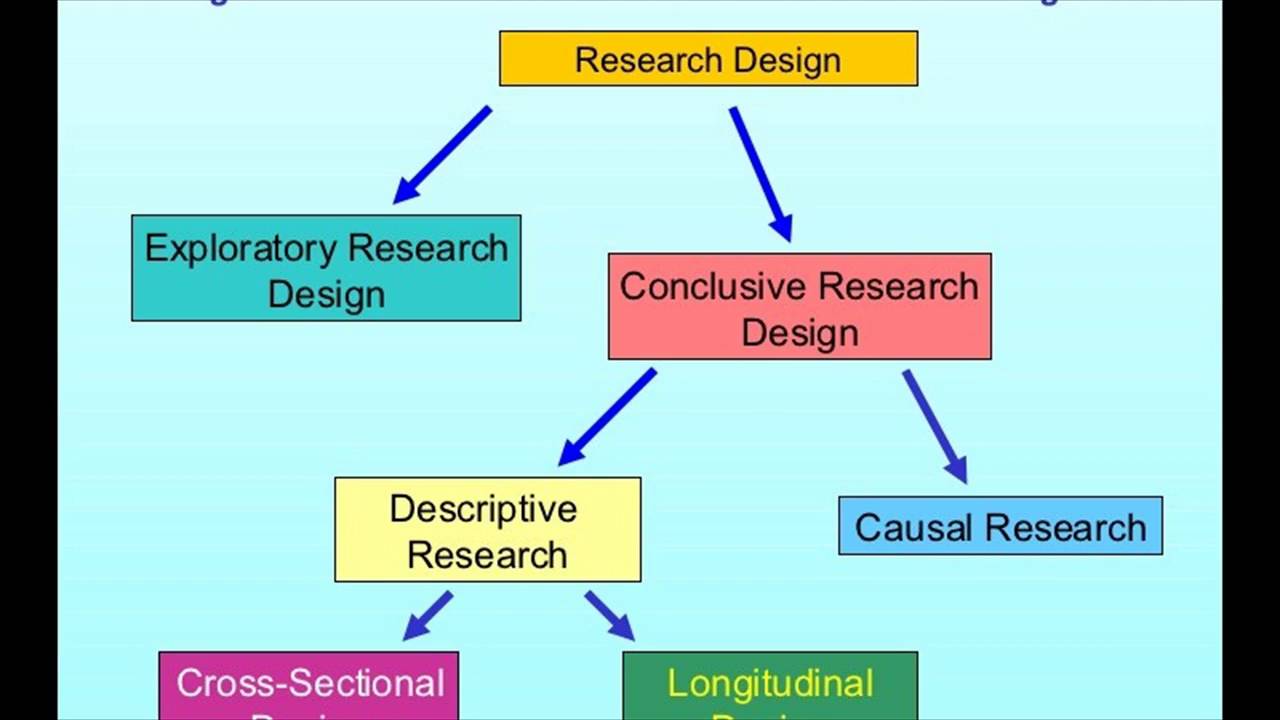
Table Of Content Bottom Line on Research Design & Study Types Quantitative research design types and quantitative research design exampl...